Hip Fracture – Dr. Vinit Oswal | Expert Orthopaedic Doctor in
Bengaluru
Dr. Vinit Oswal, a trusted Orthopaedic Surgeon at
Spire Clinic, Bengaluru, is an expert in the diagnosis and treatment of
hip fracture. With advanced surgical expertise and patient-focused
care,
he provides comprehensive management for patients suffering from hip injuries, ensuring
pain relief, mobility restoration, and long-term joint stability.
What is a Hip Fracture?
A hip fracture is a serious break in the upper portion of the thigh bone (femur) near
the hip joint. It is often the result of falls, accidents, or weakened bones due to
osteoporosis.
Hip fractures are especially common in older adults but can occur at any age due to
high-impact injuries.
Immediate treatment is essential to prevent complications and to regain mobility.
Types of Hip Fracture
- Intracapsular Hip Fracture – Occurs within the hip joint capsule,
often affecting blood supply to the femoral head.
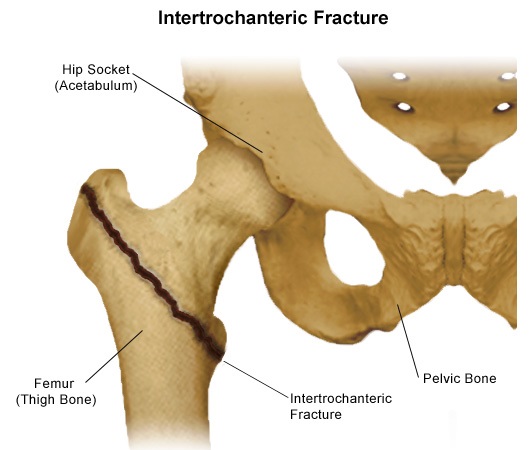
- Intertrochanteric Hip Fracture – Break between the greater and
lesser trochanters of the femur.
- Subtrochanteric Hip Fracture – Occurs just below the lesser
trochanter, extending into the upper femur shaft.
When should you seek medical care for a Hip Fracture?
- Severe hip or groin pain after a fall or accident
- Inability to stand, walk, or move the leg
- Shortened or outwardly rotated leg on the injured side
- Swelling, bruising, or visible deformity around the hip
- Persistent pain in elderly patients even after minor trauma
How is a Hip Fracture Treated?
- Internal Fixation – Screws, rods, or plates are used to stabilize
the broken bone.
- Partial Hip Replacement (Hemiarthroplasty) – Damaged femoral head
is replaced with an artificial implant.
- Total Hip Replacement (THR) – Both the femoral head and acetabulum
are replaced with prosthetic implants.
- The choice of treatment depends on age, health, fracture type, and bone quality.
What Care is Necessary After a Hip Fracture Surgery?
- Hospital stay usually lasts 5–7 days
- Physiotherapy begins within 24–48 hours
- Walking aids such as walkers or crutches may be used initially
- Recovery generally takes 8–12 weeks
- Medications are prescribed for pain and to prevent blood clots
- Calcium and vitamin D supplements support bone healing
Following surgery, lifestyle changes like fall prevention, bone strengthening exercises,
and regular follow-ups are essential to ensure proper healing and reduce the risk of
another hip fracture.
Risks & Complications
- Infection at the surgical site
- Blood clots in the legs (DVT)
- Non-union or delayed bone healing
- Dislocation of the artificial hip (if replaced)
- Nerve or vessel injury
- Reduced mobility in severe cases
Advantages of Early Hip Fracture Treatment
- Faster recovery and reduced hospital stay
- Improved mobility and ability to resume daily activities
- Lower risk of complications such as pneumonia and bed sores in
elderly patients
- Better long-term function with proper fixation or replacement
- Enhanced quality of life with pain-free movement
Book Your Appointment
For additional information on Hip Fracture treatment, or to have your
hip injury evaluated, please call
+91 6364329177 – Dr. Vinit Oswal, Expert
Orthopaedic Doctor in Bengaluru, serving patients at Spire Clinic and across Bangalore
City.






.png)
.png)
.png)


.png)
.png)
.png)