Expert guidance from Dr. Vinit M Oswal, Orthopedic Surgeon at Spire Clinic, Malleshwaram, Bangalore
Understanding Hip Replacement
Hip pain can make every step miserable. Getting out of bed, walking to the bathroom, or putting on your shoes becomes a daily struggle. If this sounds familiar, you're probably wondering: "Do I need hip replacement surgery?"
This guide explains when hip replacement is recommended and helps you understand if it's the right solution for you.
What is Hip Replacement?
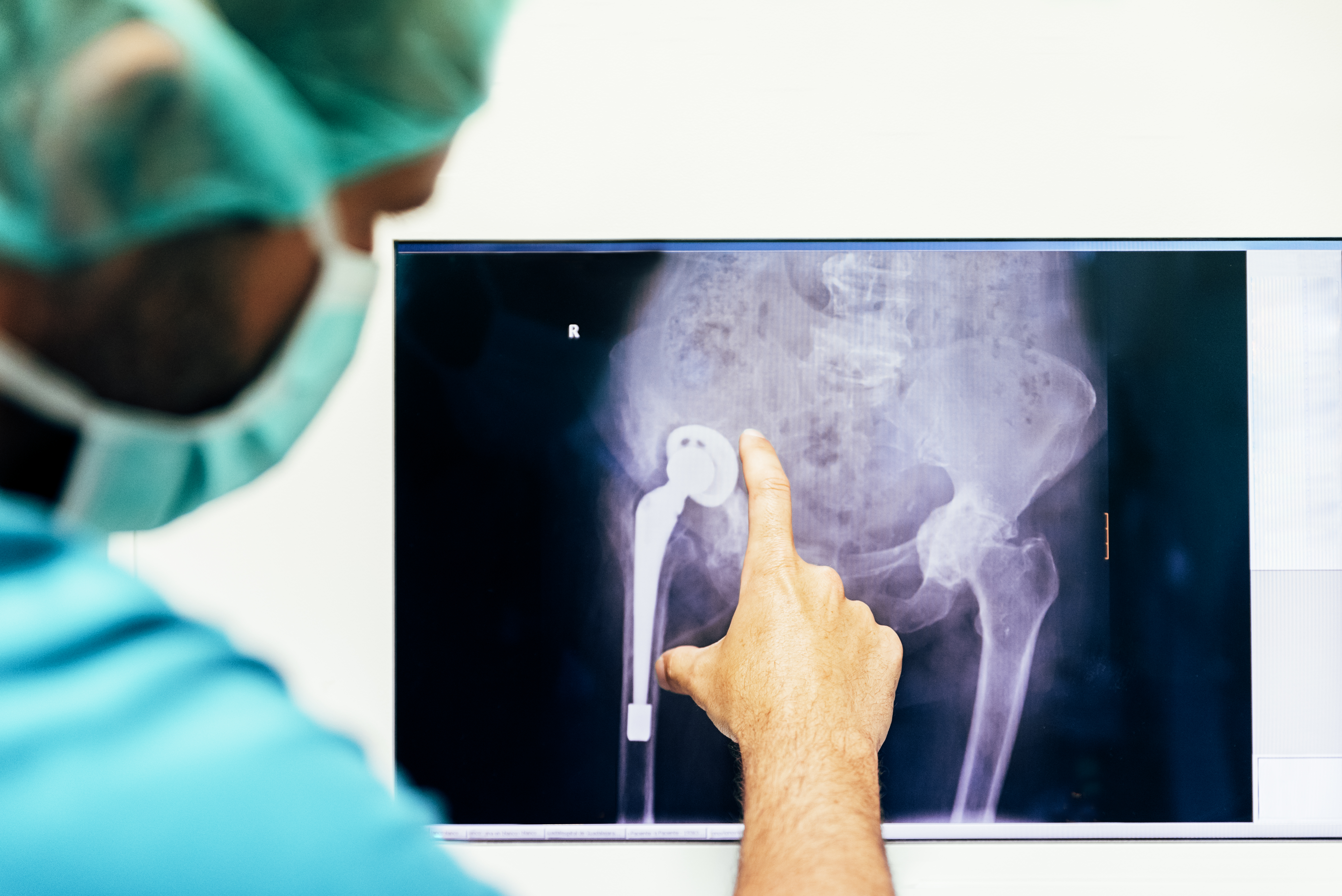
Hip replacement surgery (also called hip arthroplasty) replaces your damaged hip joint with an artificial one. The ball-and-socket joint in your hip is replaced with smooth metal or ceramic parts that move pain-free.
Think of it as replacing a rusty, squeaky door hinge with a new one that opens smoothly without noise or pain.
Common Reasons People Need Hip Replacement
1. Osteoarthritis (Most Common Reason)
What is it?
Osteoarthritis happens when the smooth cartilage covering your hip joint wears away over time, like brake pads wearing down in a vehicle.
How it feels:
- Deep ache in your groin or thigh
- Pain gets worse with walking or standing
- Stiffness, especially in the morning
- Difficulty putting on socks or shoes
- Limping while walking
When replacement is needed:
- X-rays show severe cartilage loss
- "Bone-on-bone" contact in the joint
- Pain medications and injections no longer help
- Quality of life is significantly affected
2. Rheumatoid Arthritis (Inflammatory Arthritis)
What is it?
An autoimmune disease where your body's immune system attacks your joints, causing inflammation and damage.
How it's different:
- Affects multiple joints at the same time
- Morning stiffness lasting over an hour
- Joint swelling and warmth
- Can occur in younger people
- May affect both hips
When replacement is needed:
- When medication cannot control joint destruction
- Severe pain limiting daily activities
- Coordination with your rheumatologist is important
3. Avascular Necrosis (Bone Death)
What is it?
The blood supply to the hip bone is disrupted, causing the bone to die and collapse.
Common causes:
- Long-term steroid medication use
- Excessive alcohol consumption
- Hip injury or fracture
- Certain medical conditions
- Sometimes no clear cause
Warning signs:
- Sudden onset of hip or groin pain
- Pain may start even while resting
- Often affects younger people (30s-50s)
When replacement is needed:
- Once the bone has collapsed significantly
- Conservative treatments fail
- Pain severely affects function
4. Hip Fractures (in Elderly)
When it happens:
- Fall at home or on the street
- Common in people over 70
- Especially those with weak bones (osteoporosis)
Why replacement instead of fixing the fracture:
- Displaced fractures in the neck of the femur don't heal well
- Risk of bone not healing properly
- Risk of avascular necrosis after the fracture
- Replacement allows faster recovery and walking
Note: Younger patients with fractures are usually treated differently, trying to save their own hip.
5. Childhood Hip Problems (Now Causing Trouble)
What conditions:
- Developmental dysplasia of hip (DDH)
- Perthes disease
- Slipped capital femoral epiphysis (SCFE)
Why it causes problems later:
- Abnormal hip socket shape
- Uneven stress on the joint
- Premature arthritis develops
- Often needs surgery in 30s-50s
6. After Injury or Trauma
What happens:
- Hip dislocation or fracture
- Years later, arthritis develops
- The injured cartilage wears out faster
When replacement is needed:
- Pain becomes constant
- Conservative treatments stop working
- Usually many years after the original injury
7. Other Less Common Reasons
- Bone tumors
- Ankylosing spondylitis
- Previous hip infection (treated and resolved)
- Failed previous hip surgeries
Signs You Might Need Hip Replacement
Dr. Vinit M Oswal at Spire Clinic, Malleshwaram, evaluates several key factors:
Pain Characteristics
Red flags for surgery:
- Pain is there even when resting
- Wakes you up at night
- Pain medications barely help anymore
- Can't walk more than a few minutes without severe pain
Impact on Daily Life
Can't do basic activities:
- Difficulty getting in and out of a car
- Trouble putting on socks and shoes
- Can't climb stairs normally
- Using a walking stick or support
- Avoiding social activities due to pain
Failed Conservative Treatments
You've already tried for 3-6 months:
- Regular physiotherapy
- Pain medications (tablets, ointments)
- Hip injections
- Walking aids
- Activity modification
- Weight loss (if applicable)
X-ray Findings
Your doctor shows you:
- Severe narrowing of the joint space
- Bone spurs (extra bone growth)
- Changes in bone shape
- "Bone-on-bone" appearance
When Hip Replacement May NOT Be Needed
You Can Wait If:
- Pain is tolerable and manageable
- You can do your daily activities
- Conservative treatments are still helping
- No mechanical problems (locking, catching)
- X-ray changes are mild to moderate
When Surgery Should Be Delayed:
- Active infection anywhere in your body
- Poorly controlled diabetes
- Recent heart attack or stroke
- Severe obesity (work on weight loss first)
- Active smoking (increases complications)
- Unrealistic expectations about recovery
Age and Hip Replacement
"Am I Too Young?"
- There's no strict minimum age
- Younger patients (under 50) need special consideration
- Modern implants last 20-25 years or more
- May need revision surgery later in life
- Dr. Vinit M Oswal will discuss the pros and cons specific to your age
"Am I Too Old?"
- Age alone is NOT a barrier
- We've successfully operated on patients in their 80s and 90s
- What matters is your overall health
- Ability to participate in rehabilitation
- Many elderly patients do extremely well
Special Situations
Both Hips Need Replacement
Options:
- One hip at a time (staged) - safer, recommended for most
- Both hips together (bilateral) - for selected healthy patients
- Decision based on your health and severity
Timeline between surgeries:
- Usually 3-6 months apart
- Allows first hip to recover before second surgery
Previous Hip Surgery
Having had previous hip operations doesn't rule out replacement:
- Hip arthroscopy
- Hip preservation surgery
- Hardware from fracture treatment
May make surgery more complex but still very successful.
If You're Overweight
Good news:
- Being overweight doesn't automatically disqualify you
- However, losing weight first is strongly recommended
Benefits of weight loss before surgery:
- Easier surgery
- Faster recovery
- Less stress on the new hip
- Lower risk of complications
- Better long-term results
Making the Decision
Questions to Ask Dr. Vinit M Oswal
When you visit Spire Clinic, Malleshwaram, ask:
- How bad is the damage in my hip?
- Can I wait, or should I have surgery soon?
- What are the risks specific to my health?
- What's the expected recovery time?
- How long will the artificial hip last?
- What activities can I do afterward?
- What happens if I delay the surgery?
- Are there any alternatives I haven't tried?
What Happens During Consultation
Dr. Vinit M Oswal will:
- Listen to your complete medical history
- Examine your hip and how you walk
- Review your X-rays and other scans
- Discuss your goals and expectations
- Explain all treatment options clearly
- Create a personalized treatment plan
- Answer all your questions
Hip Replacement Success
What to Expect After Surgery
Pain Relief:
- 90-95% of patients get excellent pain relief
- Most patients say they wish they'd done it sooner
Activities You Can Return To:
- Walking without pain
- Climbing stairs normally
- Driving your car
- Traveling comfortably
- Playing with grandchildren
- Gardening and light household work
- Swimming and cycling
- Golf and dancing
How Long Does It Last?
- Modern hip implants last 20-25 years or more
- Some last a lifetime
- Over 90% still working well after 15 years
Why Choose Dr. Vinit M Oswal?
Spire Clinic, Malleshwaram, Bangalore
- ✓ Specialized Expertise in joint replacement surgery
- ✓ Personalized Care - understanding each patient's unique needs
- ✓ Modern Techniques for minimal pain and faster recovery
- ✓ Comprehensive Support from first visit through full recovery
- ✓ Convenient Location in the heart of Bangalore
Patients trust Dr. Oswal for his honest advice and excellent surgical outcomes.
Common Patient Questions
"How painful is hip replacement surgery?"
Modern pain management makes it much more comfortable than before. Most patients describe post-surgery pain as manageable with medications.
"How long is the hospital stay?"
Typically 2-3 days. Some patients go home the next day with proper support.
"When can I walk?"
You'll start walking with support the same day or next day after surgery!
"Can I sit on the floor?"
Yes, with practice and proper technique, most patients can sit on the floor after 3-6 months.
"Will I set off metal detectors?"
Rarely a problem, but you can carry a medical implant card just in case.
"Can I travel after hip replacement?"
Yes! Many patients travel internationally after full recovery (usually 3 months).
Don't Suffer in Silence
Hip pain doesn't have to be a normal part of aging. If you're struggling with hip pain that's affecting your quality of life, it's time to see a specialist.
Book Your Consultation
Dr. Vinit M Oswal
Consultant Orthopedic Surgeon
Spire Clinic, Malleshwaram
Bangalore
📞 Book an appointment: +91 6364329177 and Visit www.drvinitoswalortho.com
🏥 Expert orthopedic care in the heart of Bangalore
Prepare for Your Visit
Bring along:
- Recent X-rays or MRI scans
- List of current medications
- Questions you want answered
- A family member for support
Take the First Step
You don't have to live with hip pain. Hip replacement is one of the most successful surgeries in medicine, with excellent results for the right patients.
Dr. Vinit M Oswal at Spire Clinic, Malleshwaram, will help you understand all your options and guide you toward the best decision for your individual situation.
Don't let hip pain stop you from living your life. Expert help is available right here in Bangalore.
If you are looking for an expert orthopedic and joint replacement surgeon for Hip replacement and a trusted second opinion in Malleswaram, Bangalore or near Malleswaram for,Hip replacement, Dr. Vinit M. Oswal is the right choice for you from Spire Clinic.
Our clinic, Spire Clinic, is conveniently located in Malleswaram near Mantri Square Metro Station. Consult the doctor today for advanced knee care and personalized treatment.
Disclaimer: This information is for educational purposes only. Consult with Dr. Vinit M Oswal or another qualified orthopedic surgeon for personalized medical advice.





.png)
.png)
.png)


.png)
.png)
.png)