Complete recovery guide by Dr. Vinit M Oswal, Spire Clinic, Malleshwaram,
Bangalore
Your Recovery Journey Starts Here
Congratulations on taking the step toward a pain-free life! If you're
planning knee replacement surgery or just had it done, you probably have
many questions:
- When can I walk again?
- How much will it hurt?
- When can I go back to work?
- Will I need help at home?
This complete guide walks you through every stage of recovery, so you know
exactly what to expect.
Recovery Timeline at a Glance
| Time Period |
What to Expect |
| Hospital (2-3 days) |
Walking with walker, pain management |
| Week 1-2 |
Home recovery, gentle exercises, lots of rest |
| Week 3-6 |
Increasing activity, may switch to cane |
| Week 6-12 |
Building strength, most daily activities resume |
| Month 3-6 |
Near-normal activities, driving, light work |
| 1 Year |
Maximum improvement, active lifestyle |
Day of Surgery
What Happens
- Surgery usually takes 1-2 hours
- You wake up in the recovery room
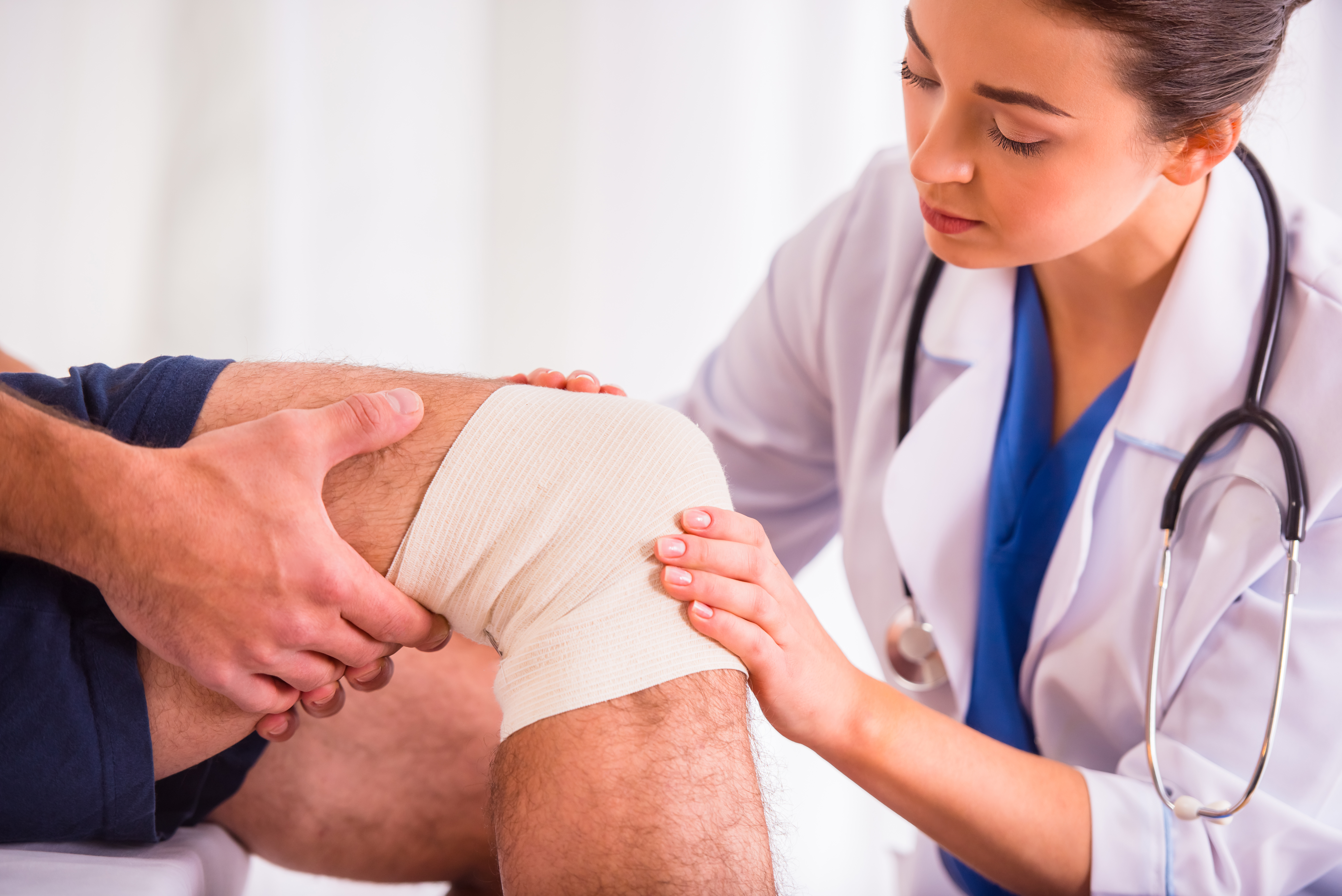
- Your knee will be bandaged
- You may feel drowsy from anesthesia
Pain Management
Dr. Vinit M Oswal uses modern pain control methods:
- Spinal or epidural anesthesia (numbs lower body)
- Pain medications through IV
- Tablets as you start eating
- Ice packs on the knee
Good news: Pain management has improved dramatically. Most patients say
it's much less painful than they expected!
In the Hospital (Days 1-3)
Day 1 After Surgery
What happens:
- Physiotherapist visits you
- You'll sit up in bed
- Learn ankle pumps (moving feet up and down)
- Start knee bending exercises gently
- May stand with support
Important: Early movement prevents blood clots and speeds recovery!
Day 2 After Surgery
- Walk a few steps with walker
- Bathroom trips with assistance
- Continue exercises
- Learn to climb stairs (if you have stairs at home)
Before Going Home
You'll be able to:
- ✓ Get in and out of bed safely
- ✓ Walk with a walker
- ✓ Climb a few stairs (if needed)
- ✓ Know how to do your exercises
- ✓ Understand your medications
Hospital stay: Usually 2-4 days in Bangalore hospitals
Week 1-2: Early Recovery at Home
What You'll Need at Home
Essential items:
- Walker or crutches
- Comfortable chair with arms
- Raised toilet seat
- Bathroom grab bars
- Ice packs
- Someone to help you
Helpful tip: Arrange these BEFORE surgery!
Daily Routine
Morning:
- Take pain medicine with breakfast
- Do exercises (taught by physiotherapist)
- Ice your knee for 20 minutes
- Rest
Afternoon:
- Short walk inside the house
- Exercises again
- Elevate leg and rest
- Ice again
Evening:
- Final exercise session
- Light dinner
- Take evening medicines
- Ice before bed
Exercises (Do 3-4 times daily)
- Ankle Pumps: Move feet up and down (10 times)
- Quad Sets: Tighten thigh muscle, hold 5 seconds (10 times)
- Heel Slides: Gently bend knee by sliding heel (10 times)
- Straight Leg Raises: Lift straight leg off bed (10 times)
Remember: Some discomfort is normal, but stop if there's sharp pain!
Managing Pain and Swelling
Pain:
- Take medicines on schedule (don't wait for pain to get bad)
- Use ice regularly
- Keep leg elevated when sitting
- Expect pain to reduce each week
Swelling:
- Normal for several weeks
- Worse at end of day
- Elevate leg above heart level
- Wear compression stockings if advised
Warning Signs - Call Your Doctor
Contact Spire Clinic immediately if you notice:
- Fever above 101°F (38.3°C)
- Increasing redness, warmth, or drainage from incision
- Severe pain not relieved by medication
- Calf pain, swelling, or warmth (possible blood clot)
- Chest pain or shortness of breath
Week 3-6: Building Independence
What's Improving
- Pain is much less
- Walking farther distances
- Sleeping better
- Knee bends to 90 degrees
- Doing more for yourself
Physiotherapy
Most patients start outpatient physiotherapy now:
- 2-3 times per week
- More advanced exercises
- Bicycle riding (when knee bends enough)
- Balance training
Dr. Vinit M Oswal's tip: Don't skip physio! It's crucial for best results.
Progression
Week 3-4:
- May switch from walker to cane
- Cane goes on OPPOSITE side of operated leg
- Walking 10-15 minutes at a time
Week 4-6:
- Light household tasks
- Short walks outside (if weather permits)
- Some patients stop using cane
- Knee bends to 100-110 degrees
Activities Allowed
- ✓ Light cooking
- ✓ Washing clothes
- ✓ Short car rides (as passenger)
- ✓ Sitting in regular chair
- ✓ Gentle household work
Still Avoid
- ✗ Twisting on the operated leg
- ✗ Kneeling
- ✗ Squatting
- ✗ Climbing too many stairs
- ✗ Lifting heavy objects
Week 6-12: Getting Stronger
Major Milestones
By week 8-12, most patients can:
- Walk without any support (no cane)
- Climb stairs normally
- Shop for groceries
- Do most household work
- Drive (with doctor's permission)
When Can You Drive?
Conditions to meet:
- Off narcotic pain medicines
- Good control of the leg
- Can do emergency brake if needed
- Usually 6-8 weeks for right leg
- Earlier for left leg (automatic transmission)
Always get Dr. Oswal's clearance before driving!
Returning to Work
- Desk jobs: 6-8 weeks
- Light physical work: 8-12 weeks
- Heavy physical work: 12+ weeks
Discuss your specific job with Dr. Vinit M Oswal.
Exercise Goals
- Walk 20-30 minutes daily
- Stationary cycling
- Swimming (after incision heals)
- Knee bends to 110-120 degrees
- Stairs without difficulty
Month 3-6: Back to Life
What You Can Do
Most patients return to:
- Normal walking
- Shopping and errands
- Social activities and visiting
- Temple visits
- Light gardening
- Traveling
Exercises
- Continue daily walks
- Swimming excellent for joints
- Stationary cycling
- Balance exercises
- Gentle yoga (avoid deep bending)
Activities to Still Avoid
- Running or jogging
- High-impact aerobics
- Contact sports
- Jumping activities
6 Months to 1 Year: Maximum Recovery
Final Results
- Maximum knee bending achieved (usually 115-125 degrees)
- Minimal or no pain
- Walking unlimited distances
- Back to most activities you enjoy
Recommended Long-Term Activities
Good for your new knee:
- Walking
- Swimming
- Cycling
- Golf
- Ballroom dancing
- Yoga (modified)
Approach with caution:
- Tennis (doubles okay)
- Light hiking
- Gardening
Avoid:
- Running/jogging
- High-impact aerobics
- Contact sports
- Activities with twisting and jumping
Common Questions Patients Ask Dr. Vinit M Oswal
"When can I sit cross-legged?"
With practice, most people can after 6-12 months. Start gradually and don't force it.
"Can I squat to use Indian toilet?"
Western toilets are easier on your knee. If needed, use a raised platform or support. Discuss alternatives with your doctor.
"Will I always need a cane?"
No! Most patients don't need any support after 6-12 weeks.
"Can I travel by plane?"
Yes, after 6-8 weeks usually. Long flights - walk every hour to prevent clots.
"When can I have normal relations with my spouse?"
Usually after 6-8 weeks, being careful with positions. Discuss privately with Dr. Oswal if you have concerns.
"My operated leg feels longer - is that normal?"
If you had a bowed or bent knee before surgery, it may feel longer as it's now straight. This usually feels normal within a few months.
Tips for Best Recovery
Do's
- ✓ Follow your exercise program religiously
- ✓ Take medicines as prescribed
- ✓ Attend all physiotherapy sessions
- ✓ Use ice regularly for swelling
- ✓ Walk daily - gradually increase distance
- ✓ Eat healthy, protein-rich food
- ✓ Stay positive - recovery takes time
Don'ts
- ✗ Skip exercises (even if busy)
- ✗ Do too much too soon
- ✗ Ignore increasing pain or swelling
- ✗ Miss follow-up appointments
- ✗ Smoke (slows healing)
- ✗ Gain weight
- ✗ Compare your recovery to others (everyone is different)
Special Situations
If You Live Alone
- Arrange help for first 2-4 weeks
- Consider staying with family temporarily
- Home nurse can be arranged
- Meal prep beforehand helps
If You're Older (70+)
- Recovery may be slightly slower
- More physiotherapy sessions may be needed
- Results are still excellent!
- Many patients in their 80s do very well
If You're Younger (Under 55)
- May recover faster
- Can return to more activities
- Important to protect your knee long-term
- Avoid high-impact sports
Follow-Up Schedule with Dr. Vinit M Oswal
Typical follow-up at Spire Clinic, Malleshwaram:
- 2 weeks: Wound check, stitch removal
- 6 weeks: X-ray, assess progress
- 3 months: Check range of motion, strength
- 6 months: Review final recovery
- 1 year: Long-term assessment
- Yearly: Annual check-ups recommended
Long-Term Care of Your New Knee
Protect Your Investment
Your new knee should last 15-20+ years if you:
- Maintain healthy weight
- Exercise regularly
- Avoid high-impact activities
- Attend annual check-ups
- Report any problems early
Dental Work Warning
Important: Tell your dentist you have a knee replacement. You may need
antibiotics before dental procedures to prevent infection.
When to Call Dr. Vinit M Oswal
Contact Spire Clinic if you experience:
- Sudden increase in pain
- New swelling, redness, or warmth
- Fever
- Wound drainage
- Knee feels unstable or gives way
- Any concerns about your recovery
Better to ask than worry!
Success Story
"I was scared about surgery, but Dr. Vinit M Oswal explained everything
clearly. I followed the physiotherapy program strictly. Within 3 months, I
was back to my morning walks. Now at 1 year, I forget I even had surgery!
I can walk, climb stairs, and even play with my grandchildren. Best
decision I made."
- Patient at Spire Clinic, Malleshwaram
Ready to Start Your Journey?
If you're considering knee replacement or need expert guidance on your
recovery, Dr. Vinit M Oswal is here to help.
Contact Spire Clinic
Dr. Vinit M Oswal
Consultant Orthopedic Surgeon
Spire Clinic, Malleshwaram
Bangalore
📞 Book your consultation: www.drvinitoswalortho.com
🏥 Expert knee replacement care in Bangalore
Why Patients Choose Dr. Vinit M Oswal
- ✓ Personalized recovery plans
- ✓ Modern pain management
- ✓ Comprehensive physiotherapy guidance
- ✓ Available for all your questions
- ✓ Excellent surgical outcomes
- ✓ Convenient Malleshwaram location
Your new knee, your new life - starts here!





.png)
.png)
.png)


.png)
.png)
.png)