
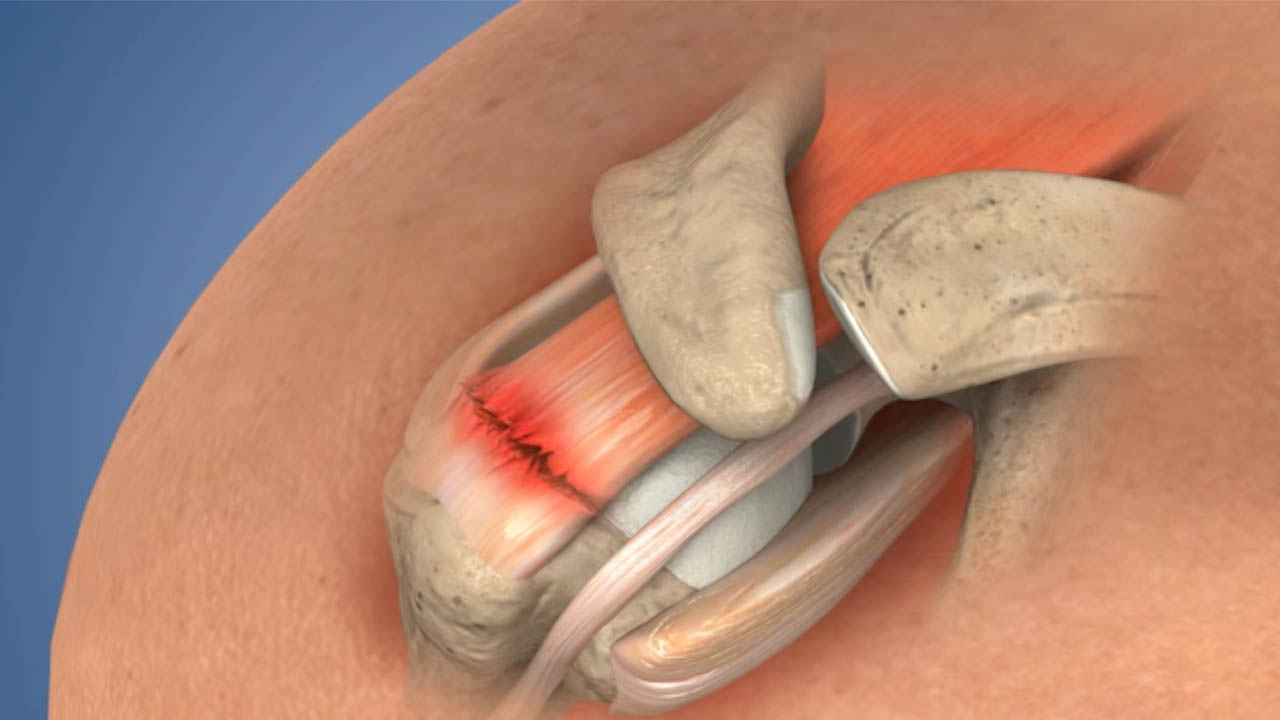
Shoulder pain and weakness can significantly interfere with daily activities, work, and sports. Rotator cuff injuries are among the most common shoulder problems, often caused by repetitive strain, age-related degeneration, or sudden trauma. When conservative care does not provide relief, surgical repair becomes a reliable option to restore shoulder strength and function.
Under the expert guidance of Dr. Vinit Oswal, patients undergoing roatator cuff repair Treatment in Malleswaram benefit from advanced surgical techniques and a carefully structured rehabilitation plan designed for safe and steady recovery.
The rotator cuff is a group of muscles and tendons that stabilize the shoulder joint and enable smooth arm movement. Tears in these tendons can cause persistent pain, weakness, limited range of motion, and difficulty performing overhead activities.
Rotator cuff repair surgery is typically performed using minimally invasive arthroscopic techniques. The torn tendon is reattached to the bone, allowing proper healing and restoration of shoulder mechanics. This approach minimizes tissue damage and supports faster rehabilitation.
Healing after shoulder surgery does not happen overnight. A step-by-step recovery timeline ensures that repaired tissues heal securely while gradually restoring strength, flexibility, and coordination.
Patients looking for roatator cuff repair Treatment near me Malleswaram benefit greatly from guided rehabilitation that balances protection with progressive movement, reducing the risk of stiffness or re-injury.
The first two weeks after surgery focus on protecting the repaired tendon and managing pain. The shoulder is usually supported in a sling to prevent unnecessary movement and allow healing.
Strict adherence to post-operative instructions during this phase lays the foundation for a successful long-term outcome.
As initial healing progresses, controlled movement is gradually introduced. The aim is to restore gentle mobility without stressing the repaired tendon.
Patients treated by specialists offering the Best roatator cuff repair Treatment in Bangalore often experience smoother recovery due to precise surgical repair and personalized rehabilitation planning.
Once adequate mobility is achieved, strengthening exercises are introduced. This phase focuses on rebuilding muscle strength and improving shoulder stability.
Consistency with physiotherapy during this stage is essential to prevent weakness and support functional recovery.
Advanced strengthening and functional training are emphasized during this phase. Exercises are tailored to the patient’s lifestyle, work demands, or sports activities.
Individuals recovering from roatator cuff repair surgery in Malleswaram are closely monitored during this phase to ensure safe progression toward full activity.
Most patients can resume normal daily activities and non-contact sports by five to six months, provided strength, flexibility, and stability are fully restored.
High-demand activities such as contact sports or heavy lifting may require additional time and medical clearance based on individual recovery progress.
Recovery timelines can vary depending on several important factors:
Personalized care ensures optimal healing while minimizing the risk of complications or delayed recovery.
Selecting the right surgeon plays a crucial role in both surgical success and long-term recovery. Dr. Vinit Oswal is known for his expertise in shoulder arthroscopy and patient-centered rehabilitation strategies.
Patients seeking roatator cuff repair Treatment in Malleswaram receive holistic care focused on restoring function and preventing future shoulder problems.
Recovery after rotator cuff repair is a gradual, step-by-step journey that requires patience, professional guidance, and active participation from the patient. Each phase of rehabilitation plays a vital role in restoring shoulder mobility and strength.
With expert surgical care, a structured recovery timeline, and personalized rehabilitation, patients can safely return to their normal activities and active lifestyles. Consulting Dr. Vinit Oswal ensures a recovery plan built on precision, safety, and long-term success.
Copyright © Dr. Vinit Oswal. All Rights Reserved.Designed By Appaddindia Pvt Ltd.




.png)
.png)
.png)

.png)
.png)
.png)