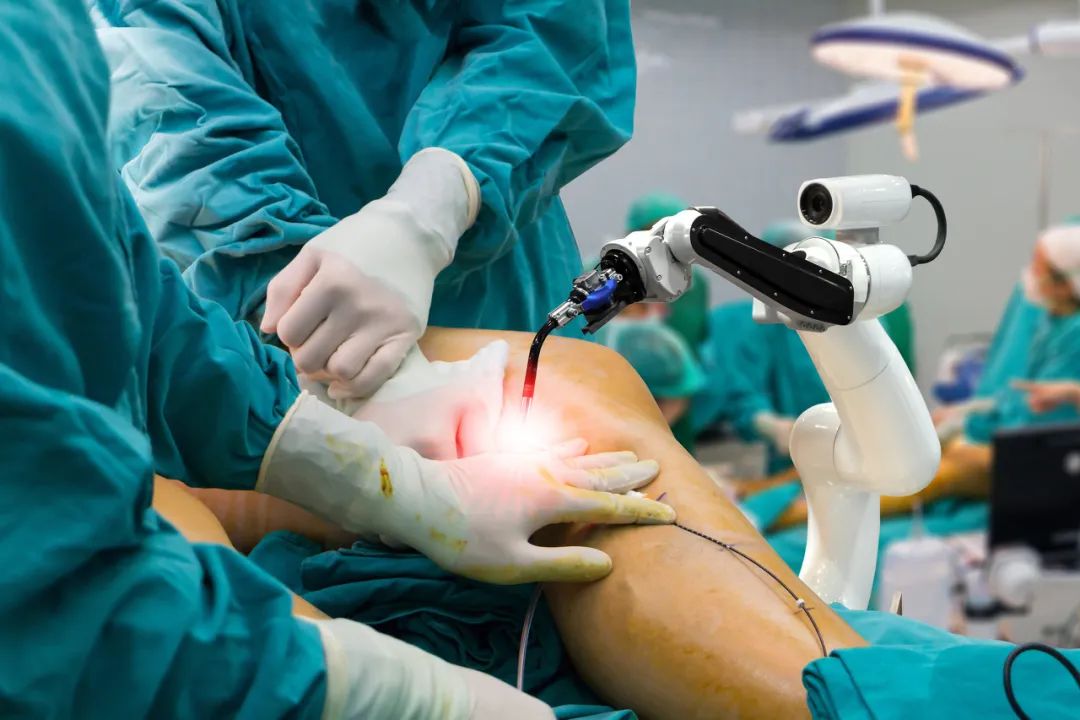

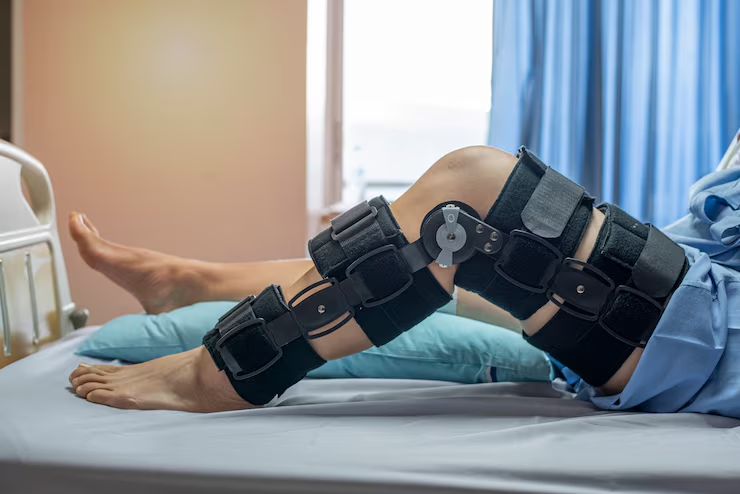
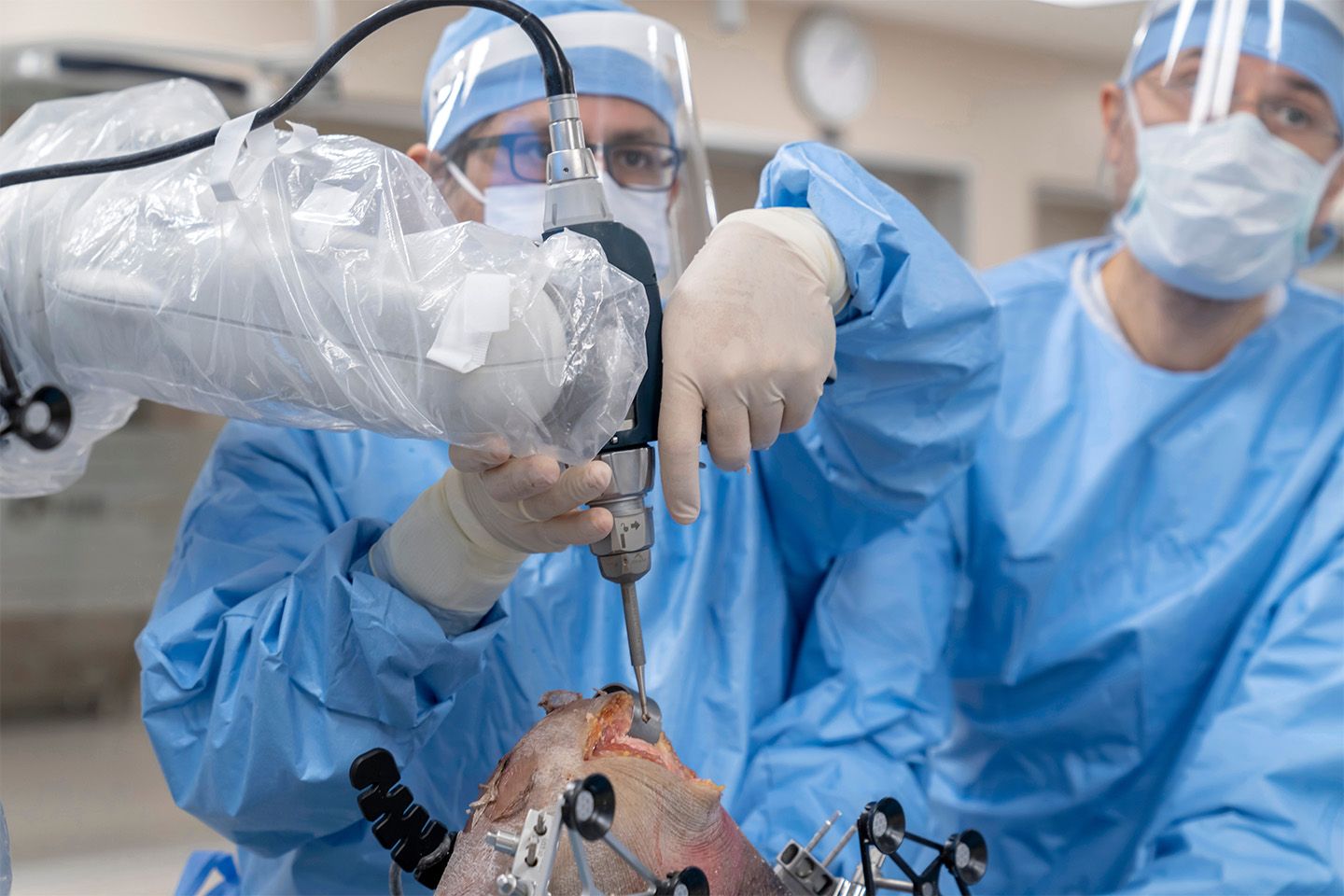
Robotic joint replacement surgery has transformed the way patients recover from knee and hip replacements. With advanced precision and minimally invasive techniques, patients experience less pain, quicker recovery, and long-term joint stability. However, the success of your surgery does not depend only on the procedure itself—it also relies heavily on your post-surgery rehabilitation. In this blog, we’ll share essential rehabilitation tips after robotic joint replacement surgery, the importance of following your recovery plan, and why consulting an experienced surgeon like Dr. Vinit Oswal, the best orthopaedic surgeon for robotic joint replacement surgery, can make a remarkable difference in your outcome.
Without proper rehabilitation after robotic joint replacement, even the most advanced surgical procedure may not deliver its full potential benefits.
The first and most crucial step in recovery is to follow your orthopaedic surgeon’s advice. Your surgeon will guide you on wound care, medications, diet, and activity restrictions. Every patient’s body responds differently, so your recovery plan must be tailored to your unique condition. Dr. Vinit Oswal, a highly experienced orthopaedic surgeon specializing in robotic joint replacement surgery, provides personalized rehabilitation guidance that ensures faster healing and long-lasting results.
Physical therapy after robotic joint replacement usually begins within 24–48 hours of surgery. Simple movements such as ankle pumps, leg lifts, and gentle bending exercises help in preventing blood clots and keeping your new joint active.
Regular physiotherapy sessions will improve balance, strength, and endurance while reducing stiffness.
Your surgeon may advise using a walker, cane, or crutches in the initial days. These assistive devices help maintain balance and reduce strain on the new joint while walking. Transitioning to walking without support should be gradual to prevent falls or complications.
Nutrition plays a vital role in your recovery. A balanced diet with protein-rich foods, calcium, vitamin D, and antioxidants helps in faster healing and stronger bones. Avoid excessive processed foods and focus on whole grains, fresh fruits, vegetables, and lean proteins.
Walking is one of the most effective forms of rehabilitation after robotic joint replacement surgery. Begin with short walks several times a day, gradually increasing distance and duration. Walking enhances blood flow, strengthens muscles, and prevents stiffness.
Your hips, thighs, and core muscles play a key role in supporting the new joint. Incorporating targeted exercises under the supervision of a physiotherapist helps you regain stability and function more quickly.
During the first few months of recovery, avoid high-impact sports or exercises such as running, jumping, or heavy weightlifting. These activities may put unnecessary strain on your new joint. Instead, choose low-impact workouts like swimming, cycling, or yoga once your surgeon approves.
Proper posture reduces stress on the joint and prevents complications. Use supportive chairs, avoid crossing your legs for prolonged periods, and be cautious when bending or twisting. Following correct movement habits helps extend the life of your implant.
Physiotherapy after robotic joint replacement surgery is not a one-time task—it is a continuous process. Regular sessions and consistent practice of exercises at home are essential to achieving optimal results. Skipping therapy may slow down recovery and affect long-term outcomes.
Keep track of your progress and consult your surgeon if you notice unusual swelling, excessive pain, redness, or difficulty in movement. Early intervention can prevent complications and ensure a smooth recovery.
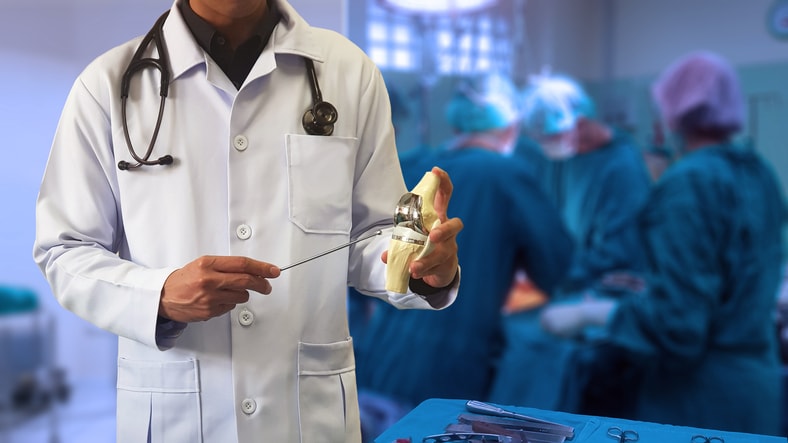
When it comes to robotic joint replacement surgery, choosing the right surgeon is just as important as the technology itself. Dr. Vinit Oswal is widely recognized as the best orthopaedic surgeon for robotic joint replacement surgery, known for his expertise, patient-focused approach, and commitment to delivering excellent outcomes. His guidance during both the surgical and rehabilitation stages ensures that patients not only recover quickly but also enjoy long-term mobility and pain-free living.
Rehabilitation after robotic joint replacement surgery is a critical part of your journey toward regaining mobility, strength, and independence. By following these tips—such as sticking to physiotherapy, maintaining a healthy diet, and walking regularly—you can achieve the best possible results. With the expertise of Dr. Vinit Oswal, the best orthopaedic surgeon for robotic joint replacement surgery, you can be assured of personalized care, advanced technology, and a smooth path to recovery.

Hello, I’m Dr. Vinit Oswal, a passionate orthopaedic surgeon, committed to restoring mobility and improving lives.
Copyright © Dr. Vinit Oswal. All Rights Reserved.Designed By Appaddindia Pvt Ltd.




.png)
.png)
.png)

.png)
.png)
.png)