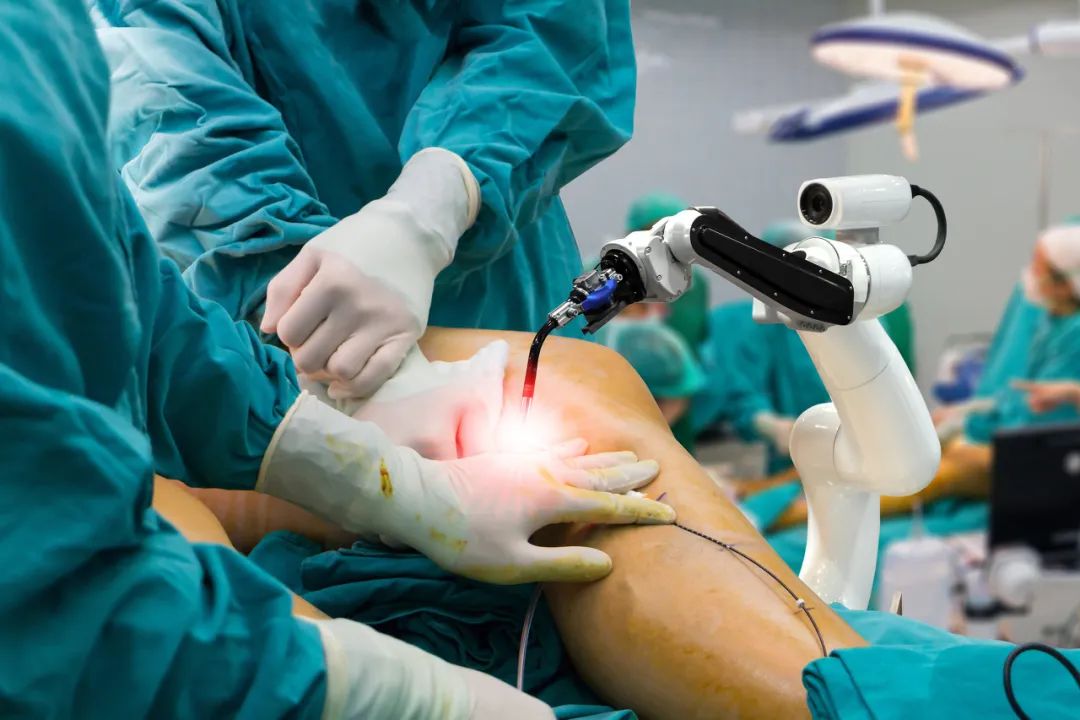

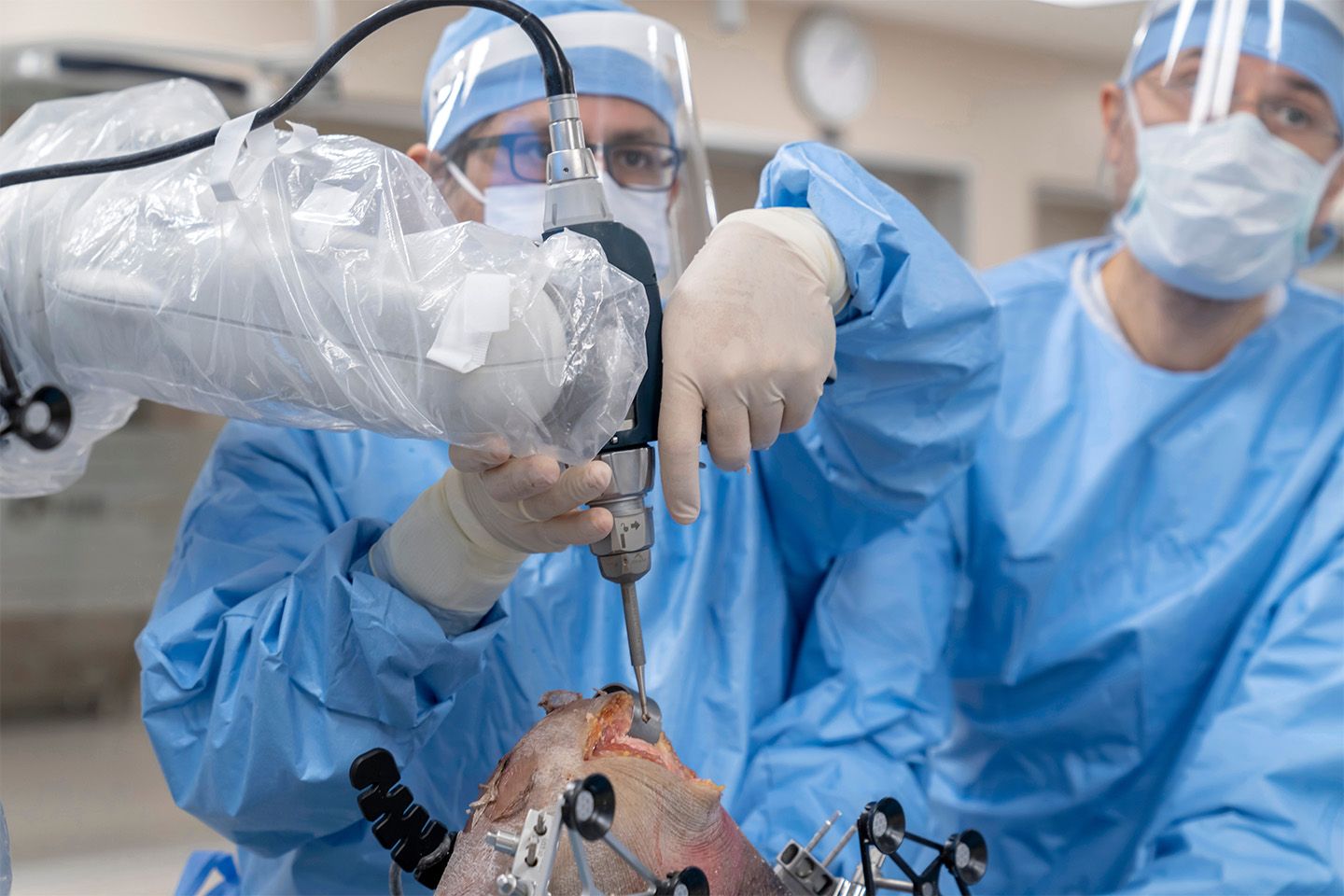
Knee replacement surgery has come a long way in recent years, and one of the most significant advancements is Robotic-Assisted Knee Replacement. While the technology is transforming orthopaedic care, many patients still have doubts due to common myths and misconceptions. In this blog, we will uncover the truth behind these myths, highlight the facts, and explain why choosing the right surgeon—like Dr. Vinit Oswal, the best orthopaedic surgeon for robotic joint replacement surgery—can make all the difference in your recovery and results.
Robotic-Assisted Knee Replacement is a state-of-the-art surgical technique that uses advanced robotic systems to assist the surgeon during the procedure. Contrary to what some may think, the robot does not perform the surgery on its own. Instead, it acts as a highly precise tool that allows surgeons to customize implant positioning, improve alignment, and reduce errors, leading to better long-term outcomes.
One of the biggest misconceptions is that a robot replaces the surgeon. In reality, the surgeon remains in full control throughout the procedure. The robot only assists by providing greater accuracy and guidance. This ensures the surgeon can place the implant with millimeter precision, which is often difficult to achieve manually.
Fact: The robot is a tool, not a replacement for the surgeon. The skill of the orthopaedic surgeon is still the most important factor.
Some patients worry that involving robotic technology could increase risks. However, Robotic-Assisted Knee Replacement surgery is FDA-approved and has been proven safe worldwide. With the help of robotic systems, the chances of human error are significantly reduced.
Fact: Robotic systems enhance safety, reduce complications, and improve accuracy.
There’s a belief that only younger or very active patients are suitable candidates for robotic surgery. This is not true. Robotic technology can be beneficial for patients of all age groups, especially those with arthritis or severe joint damage.
Fact: Age is not a limiting factor; suitability depends on overall health, knee condition, and the surgeon’s assessment.
Some assume robotic knee replacement is time-consuming compared to traditional surgery. While it may take a few extra minutes for pre-surgical planning, the actual procedure is often quicker due to improved accuracy and less need for corrections.
Fact: Robotic-assisted surgeries are often more efficient, with less blood loss and faster recovery.
Patients may believe that recovery is no different from traditional procedures. However, studies show that patients undergoing robotic-assisted knee replacement often experience less pain, reduced hospital stays, and faster rehabilitation.
Fact: Robotic technology promotes quicker recovery and long-lasting results.
Although the robotic system ensures precision, the expertise of the surgeon remains critical. A highly trained and experienced orthopaedic surgeon can make the best use of robotic technology. This is why selecting the right doctor is essential for achieving the best results.
When it comes to Robotic-Assisted Knee Replacement, Dr. Vinit Oswal is a trusted name. With years of experience in advanced orthopaedic care, Dr. Oswal has helped countless patients regain mobility and live pain-free lives. His expertise, combined with the latest robotic technology, ensures that patients receive world-class treatment tailored to their needs.
Robotic-Assisted Knee Replacement is not just a medical trend—it’s the future of orthopaedic surgery. While myths and misconceptions can create confusion, the facts prove that robotic technology offers safer procedures, faster recovery, and better outcomes.
By choosing the right surgeon, like Dr. Vinit Oswal, the best orthopaedic surgeon for robotic joint replacement surgery, you can ensure that your treatment is handled with precision, expertise, and care. Don’t let myths hold you back—embrace the facts and take the first step toward pain-free mobility today.

Hello, I’m Dr. Vinit Oswal, a passionate orthopaedic surgeon, committed to restoring mobility and improving lives.
Copyright © Dr. Vinit Oswal. All Rights Reserved.Designed By Appaddindia Pvt Ltd.




.png)
.png)
.png)


.png)
.png)
.png)